In 2025, the AI image generator market is projected to grow significantly, with some forecasts suggesting it will reach nearly $1 billion by the end of the decade.
Why Image Generators are Booming in 2025
The evolution of image generators has been marked by rapid advancements in AI technology. From early experiments with simple image manipulation to the current state of sophisticated text-to-image synthesis, tools have transformed how we create and interact with visual content. Historical examples include the early adoption of AI in art and design, where AI-generated images began to blur the lines between human and machine creativity.
Today, image generators are at the forefront of digital innovation, with tools like Midjourney and Flux pushing the boundaries of what is possible. These platforms are not only streamlining content creation but also enabling new forms of artistic expression and commercial applications. However, challenges remain, including ethical considerations and the need for more sophisticated AI models to improve output quality.
How We Selected the Best
Evaluating image generators requires a careful consideration of key performance metrics. This ensures that the tools selected are not only effective but also meet the evolving needs of users across various industries.
- Prompt Alignment: The ability of the tool to accurately interpret and execute user prompts is crucial for achieving desired outcomes.
- Photorealism: The capacity to produce images that are indistinguishable from real-world photographs is a key indicator of an image generator’s quality.
- Detail & Clarity: The level of detail and clarity in generated images directly impacts their usability and appeal.
The Challenge: Comparing AI Image Generators with a Real-World Test
To provide a fair, hands-on comparison of each AI image generator, we set up a universal creative challenge: we used the same prompt and the same starting image across all tools. For this test, we chose a widely recognized photo of Scarlett Johansson and asked each AI platform to generate its own interpretation based on a carefully crafted, neutral prompt. This approach allows you to see side-by-side how each tool interprets the same creative task—highlighting differences in style, realism, prompt accuracy, and technical capabilities. Below, you’ll find the original prompt and, for every tool reviewed, the unique result it produced. Use these direct visual comparisons to judge which AI image generator best matches your own creative goals.

A hyper-realistic 4K portrait of a confident woman at a red carpet event. She has long wavy blonde hair, soft glowing skin, and a friendly smile. She is turned slightly sideways, raising her right hand in a graceful wave. She wears a sleeveless black and white striped top paired with high-waisted elegant black trousers. The background shows a red or maroon press wall with minimalist white film festival logos. The scene is lit with soft cinematic lighting that creates realistic shadows, glossy highlights in her hair, and rich fabric textures. The image should resemble fashion editorial photography — sharp, detailed, and polished with natural expressions and depth of field.
Below are in-depth reviews of the top AI image generators for 2025.
LTX Studio
Developed by: Lightricks
Specialization: Generative video production + concept-to-execution storytelling

Key Features
- Gen Space: A unified workspace where you can generate images and motion from text prompts, image references or a mix of both.
- Camera & Keyframe Control: Define camera moves (pans, zooms, tilts) via keyframes, setting precise motion paths through your generated scenes.
- Style Presets: Choose from different visual styles — cinematic, sketch, branded look, and more — to maintain consistency across scenes.
- AI Characters & Elements: Generate and reuse AI “avatars,” objects, and environments across scenes.
- Storyboard & Script-to-Video: Turn scripts or concept prompts into storyboards, then refine them into full video sequences.
- Timeline Editing: Edit generated scenes in a timeline — trim, reorder, adjust pacing, transitions — and add voiceovers or music.
- AI-Generated Voice & Sound: Use text-to-speech for voiceovers, sync lip movements, and add background audio or effects.
- Image-to-Video Conversion: Turn AI-generated images into animated video scenes.
- Pitch Deck Generator: Automatically generate pitch decks with mood boards, shot lists, and character designs.
- High-Fidelity Model Support: Supports LTXV (Lightricks’ fast video model) as well as Google’s Veo 3 for cinematic-quality video + audio.
- Team Collaboration: Share projects, manage versions, and collaborate in real time within the platform.
Pros
- Full creative control — from ideation to final cut, you can direct almost every aspect of shots, motion, and style.
- Flexible generation modes — supports text-to-image, text-to-video, image-to-video, and video-to-video.
- Integrated storytelling tools — storyboard creation, pitch deck generation, and character consistency help streamline pre-production.
- Cinematic-quality output — with Veo 3 integration, you can get realistic visuals plus synced audio.
- Scalable creative workflows — built for collaboration and iteration, making it ideal for teams or agencies.
Cons
- Resource usage — advanced video generation (especially with Veo) could require more “compute seconds” or be slower on lower-tier plans.
- Pricing — while there’s a free plan, professional features (high-fidelity models, longer generation time) come in paid tiers.
- Learning curve — many creative controls (camera, keyframes, timeline, style) mean new users might need time to master the interface
- Not a full offline editor — while powerful, it’s primarily for generative content rather than traditional video editing, so very precise manual edits may require export to other software.
Ideal For
- Filmmakers and storytellers who want to prototype ideas, create animatics, or produce proof-of-concept video content.
- Advertising agencies and marketers who need a visual production tool that can generate ad concepts, storyboards, and final creatives.
- Creative teams working on branded content, explainer videos, or social campaigns and want to iterate quickly.
- Small studios or solo creators who don’t have access to full production resources but want cinematic storytelling power.
Flux

Developed by BlackForestLabs, Flux is a cutting-edge AI image generator focused exclusively on photorealistic text-to-image synthesis. Leveraging a transformer-based flow model with 12 billion parameters, Flux stands out for its remarkable speed and prompt accuracy, delivering high-quality images within seconds. Its specialization in lifelike image creation positions it uniquely in the AI image generation market.

Flux’s interpretation of the universal prompt.
Key Features
Flux excels at producing highly detailed, photorealistic images from complex textual prompts, supporting resolutions up to 2.0 megapixels and diverse aspect ratios. Its advanced architecture enables precise rendering of text within images, a feature often challenging for AI models. Flux offers multiple model variants tailored for professional and personal use, alongside tools like image upscaling and inpainting, making it ideal for users needing fast, realistic visuals with strong prompt fidelity.
Pros
- Exceptional photorealism delivers images that closely mimic real photographs, perfect for advertising and product visualization.
- Fast generation times (15-25 seconds) allow rapid iteration, beneficial for creative workflows requiring quick concept visuals.
- Supports high resolution and varied aspect ratios, providing flexibility for diverse image generation needs including detailed print media.
Cons
- While highly capable, Flux’s focus on photorealism may limit creative or stylized image generation options for users seeking artistic or abstract outputs.
- Pricing and licensing details are less transparent, with limited free-tier options, which could pose onboarding challenges for casual or budget-conscious users.
Pricing
Flux offers tiered plans including professional and developer models, with access via API and open-weight versions for non-commercial use. The free tier is limited, emphasizing paid plans for high-resolution and commercial applications. Its pricing reflects its advanced capabilities, positioning it as a premium choice for users prioritizing photorealistic image generation speed and quality.
Ideal For
Flux is well-suited for marketing teams, product designers, and photographers who require fast, realistic image generation. Small to medium creative studios and enterprises focusing on visual content production will find its high fidelity and efficiency particularly valuable.
Grok

Grok is primarily an advanced AI platform designed for scientific discovery and problem-solving, but it includes emerging capabilities in AI-driven image generation. Its unique strength lies in integrating AI tools for complex data interpretation, though its image generation features are nascent and specialized rather than broadly creative.

Grok’s challenge result with their model Aurora.
Key Features
Grok’s image generation is tailored toward scientific visualization and data-driven imagery, focusing on accuracy and clarity over artistic expression. It supports generation of images that assist in research contexts, such as molecular structures or technical diagrams, leveraging AI to enhance visual comprehension in scientific workflows. Its image generation remains a complement to its core analytical functions.
Pros
- Specialized for scientific and technical image generation, aiding researchers in visualizing complex data effectively.
- Integrates AI-driven insights with image creation, enabling context-aware visual outputs for problem-solving scenarios.
- Supports precise and clear imagery aligned with scientific standards, useful for academic publications and presentations.
Cons
- Limited creative or artistic image generation capabilities restrict its use outside scientific or technical domains.
- The image generation feature is relatively new and less mature, with fewer customization options and slower iteration compared to dedicated image generators.
Pricing
Grok’s pricing is primarily oriented towards enterprise and research institutions, with custom plans reflecting its specialized use cases. There is no widely available free tier specifically for image generation, and access may require institutional licensing or subscription.
Ideal For
Grok is ideal for scientific researchers, academic institutions, and technical teams needing AI-assisted image generation for data visualization and problem-solving rather than creative art generation.
Ideogram

Ideogram is an AI image generator designed to create visually stunning images from text prompts using advanced AI “magic.” It emphasizes artistic creativity and aesthetic appeal, making it a strong choice for users seeking imaginative and vibrant image outputs.

Ideogram’s output with the universal prompt.
Key Features
Ideogram specializes in transforming textual descriptions into colorful, expressive images with a focus on artistic style and creativity. It supports diverse styles and can generate images that range from abstract art to detailed illustrations. Its user-friendly interface encourages experimentation, and it includes features that enhance stylistic control, making it popular among digital artists and content creators.
Pros
- Excels at producing artistically rich and imaginative images, suitable for creative projects and marketing visuals.
- Offers style customization options that empower users to tailor the artistic tone and mood of generated images.
- Fast generation speeds support rapid creative iteration, enhancing workflow efficiency for designers.
Cons
- Less focused on photorealism, which may limit its use for applications requiring realistic imagery like product visualization.
- Advanced style controls may have a learning curve for new users unfamiliar with AI art generation nuances.
Pricing
Ideogram provides a range of subscription plans with a free tier offering limited image generations. Paid plans unlock higher resolution and more style options, delivering good value for artists and marketers seeking creative flexibility.
Ideal For
Ideal for digital artists, content creators, and marketing teams who prioritize artistic expression and need a versatile AI tool to generate imaginative and visually captivating images.
ChatGPT

ChatGPT, primarily a text-based generative AI by OpenAI, has integrated image generation capabilities through plugins and APIs, enabling users to create images within its conversational interface. Its image generation is an extension rather than a core function, focusing on accessibility and ease of use.

The generated image of GPT Image.
Key Features
ChatGPT’s image generation is accessible via integrated plugins that allow users to generate images from text prompts during conversations. This feature benefits users who want a seamless text-to-image experience without leaving the chat environment. It supports basic customization but is limited compared to dedicated image generators. The integration is ideal for quick concept visuals and enhancing interactive workflows.
Pros
- Convenient image generation embedded within a conversational AI, streamlining creative workflows.
- Easy to use for non-experts, enabling quick image creation alongside text-based tasks.
- Supports integration with other OpenAI tools, providing a unified AI experience.
Cons
- Image generation capabilities are basic and less powerful than specialized tools, limiting detail and resolution.
- Dependent on third-party plugins or APIs, which may introduce latency or availability issues.
Pricing
ChatGPT offers image generation features primarily through paid subscription tiers or API usage, with limited free access. Pricing is bundled with overall AI service costs, making it suitable for users needing integrated text and image generation but less ideal for intensive image creation.
Ideal For
Best suited for casual users, educators, and professionals who want quick, integrated image generation within a conversational AI framework rather than standalone high-fidelity image creation.
Google Imagen

Google Imagen is a leading text-to-image AI model renowned for generating photorealistic images with exceptional clarity. Developed by Google Research, it leverages diffusion techniques and large-scale training to produce highly detailed and realistic visuals from text prompts, setting a high standard in image generation quality.

The result of Imagen4 by Google.
Key Features
Google Imagen excels in creating photorealistic images with fine detail and natural lighting, making it ideal for applications requiring true-to-life visuals. It supports nuanced prompt interpretation and can generate complex scenes with high fidelity. Its advanced diffusion-based architecture enables smooth, artifact-free images, suitable for advertising, media, and design industries demanding premium image quality.
Pros
- Produces some of the most realistic and detailed images available, perfect for high-end marketing and editorial use.
- Strong prompt understanding enables generation of complex compositions and subtle visual elements.
- Generates images with natural lighting and textures, enhancing visual authenticity.
Cons
- Access is limited, often restricted to research or select partners, which limits broad usability for general users.
- Computationally intensive generation can result in slower output times and higher costs for commercial use.
Pricing
Google Imagen’s pricing is generally available through limited API access or partnerships, often with premium costs reflecting its high-quality output. There is no widely accessible free tier, positioning it as a tool for enterprise or professional users with specific needs for photorealistic image generation.
Ideal For
Ideal for advertising agencies, media companies, and design professionals who require top-tier photorealistic images for campaigns, publications, and product visuals.
Leonardo AI

Leonardo AI is an intuitive AI image generator designed to produce high-quality images with user-friendly tools. It targets creators who want accessible yet powerful AI-driven visuals, combining ease of use with advanced customization for diverse artistic styles.

Leonardo AI’s result with the model Phoenix.
Key Features
Leonardo AI offers a streamlined interface with robust customization options, enabling users to generate detailed images quickly. It supports various styles from photorealistic to stylized art and includes tools like inpainting and upscaling. Its focus on usability makes it suitable for both beginners and professionals seeking efficient image generation without sacrificing quality.
Pros
- User-friendly interface simplifies image creation, making it accessible to non-experts and speeding up workflows.
- Versatile style options allow for both realistic and artistic outputs, catering to a broad range of creative needs.
- Includes advanced editing tools such as inpainting and upscaling, enhancing image refinement capabilities.
Cons
- May lack the highest-end photorealistic detail compared to specialized models focused solely on realism.
- Some advanced features require paid plans, which might limit access for casual users or small teams.
Pricing
Leonardo AI offers a free tier with limited image generations and paid subscriptions unlocking higher resolutions, more styles, and additional editing tools. Its pricing is competitive for creators seeking a balance of power and ease of use in AI image generation.
Ideal For
Perfect for freelance artists, small creative teams, and marketers who want a versatile, easy-to-use AI image generator that supports both artistic and realistic image creation.
Luma Photon
Luma Photon is a cutting-edge AI image generation model known for its high-quality output and cost efficiency. It utilizes a groundbreaking architecture that allows for ultra-high-quality images at significantly reduced costs compared to other models.

Generated image by Luma Photon.
Key Features
Luma Photon excels in creating consistent characters from single reference images and supports multi-image references for precise style transfer. It offers advanced natural language understanding and multi-turn iterative workflows, making it ideal for creative professionals in film, advertising, and product design.
Pros
- Delivers ultra-high-quality images with detailed textures and realistic effects, suitable for cinematic visual effects and artistic styles.
- Provides character consistency from single reference images, enhancing creative control.
- Offers a cost-effective solution with generation costs as low as $0.015 per 1080p image.
Cons
- Currently in beta for some features, which may limit its full potential.
- Pricing, while competitive, may still be a barrier for casual users or those without a budget for image generation.
Pricing
Luma Photon offers competitive pricing with costs starting at $0.015 per 1080p image for the standard model and $0.002 for the high-speed Photon Flash variant. This makes it an attractive option for professionals seeking high-quality images without exorbitant costs.
Ideal For
Luma Photon is ideal for creative professionals in industries such as film, advertising, and product design, where high-quality image generation is crucial.
Midjourney

Midjourney is a prominent AI image generation tool known for its ability to create high-quality images from text prompts. It is widely used in various creative fields for its innovative approach to visual content creation.

The output of Midjourney V7 with different perspectives.
Key Features
Midjourney excels in generating detailed images based on textual descriptions, offering a versatile platform for artistic exploration and design. It supports iterative refinement and collaboration, making it suitable for teams and solo creators alike.
Pros
- Generates high-quality images with detailed textures and realistic effects, ideal for artistic and design applications.
- Supports iterative refinement, allowing users to fine-tune their creations.
- Fosters collaboration through its community-driven approach.
Cons
- May require multiple iterations to achieve desired results, which can be time-consuming.
- Limited control over specific image elements without additional tools.
Pricing
Midjourney offers a subscription-based model with varying tiers, providing access to its features based on user needs. However, specific pricing details are not publicly disclosed.
Ideal For
Midjourney is ideal for artists, designers, and writers who need to visualize concepts from text prompts. It suits both individual creators and teams working on collaborative projects.
RunwayML

RunwayML is an AI-powered platform primarily focused on video and image editing. It integrates AI tools for enhancing and generating visual content, offering a comprehensive suite for creative professionals.

Runway’s result to the challenge.
Key Features
RunwayML provides advanced video and image editing capabilities, including AI-driven tools for content creation and manipulation. It supports a range of plugins and integrations, making it versatile for various creative tasks.
Pros
- Offers a comprehensive suite of video and image editing tools, enhancing creative workflows.
- Supports AI-driven content creation and manipulation, ideal for dynamic visual effects.
- Compatible with a wide range of plugins and integrations for expanded functionality.
Cons
- May have a steeper learning curve due to its extensive feature set.
- Pricing can be a barrier for individual users or small teams without a budget for comprehensive editing suites.
Pricing
RunwayML offers various pricing tiers tailored to different user needs, with costs varying based on the level of access to its features and tools.
Ideal For
RunwayML is ideal for professional video and image editors, as well as creative teams requiring advanced AI-driven editing capabilities.
Stability AI
Stability AI is known for developing open-source generative AI models, including those for image generation. It provides a flexible and customizable platform for users to create and experiment with AI models.

The work of Stable Diffusion.
Key Features
Stability AI offers open-source models that can be customized and integrated into various applications, providing users with the flexibility to develop tailored image generation solutions.
Pros
- Provides open-source models, allowing for customization and integration into specific workflows.
- Supports community-driven development, fostering collaboration and innovation.
- Offers flexibility in deployment and use, suitable for both personal and professional projects.
Cons
- Requires technical expertise to fully leverage its open-source models.
- May not offer the same level of user-friendly interfaces as commercial tools.
Pricing
Stability AI’s open-source nature means that users can access and modify its models without licensing fees, though costs may arise from hosting and computing resources.
Ideal For
Stability AI is ideal for developers and researchers seeking to customize and integrate AI models into their projects, as well as for those interested in contributing to open-source AI development.
HiDream

HiDream is an advanced AI tool specializing in photorealistic image generation. It offers users the ability to create highly realistic images online, leveraging AI technology for detailed and accurate visual content.
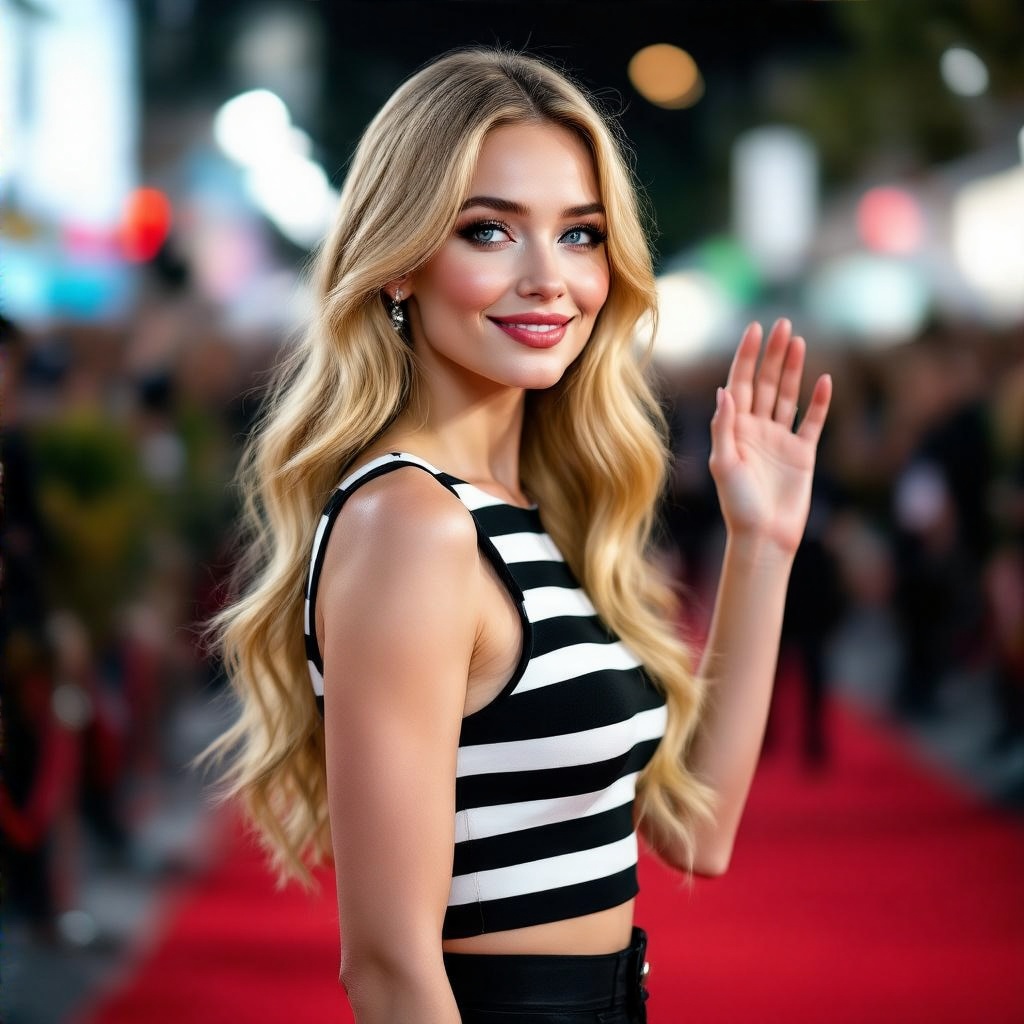
Generated image with the universal prompt by HiDream.
Key Features
HiDream excels in generating photorealistic images, making it suitable for applications requiring high fidelity and realism, such as product design and architectural visualization.
Pros
- Produces highly realistic images, ideal for applications requiring photorealism.
- Supports detailed textures and lighting effects, enhancing visual authenticity.
- Offers a user-friendly interface for generating images without extensive technical knowledge.
Cons
- May have limitations in terms of creative control compared to more versatile tools.
- Pricing details are not publicly disclosed, which can make budget planning challenging.
Pricing
HiDream’s pricing is not explicitly stated, but it is positioned as a premium solution for photorealistic image generation, potentially targeting professional users.
Ideal For
HiDream is ideal for professionals in industries such as product design, architecture, and advertising, where photorealistic images are essential.
Full Comparison
| Tool | Best for | Standout Image Generator feature | Pricing |
|---|---|---|---|
| LTX Studio | End-to-end AI video creation from script to final scenes | Gen Space with consistent characters and precise camera/keyframe control | Free plan available; advanced models and longer videos require paid tiers |
| Flux | Advanced AI art and versatile image generation | Transformer-based flow models with high-resolution output | Varies by API and platform usage |
| Grok | Commercial and large-scale image generation | Powered by Flux, offering fast and scalable image generation | Custom pricing for enterprise solutions |
| Ideogram | Photorealistic images with customizable prompts | Stable diffusion technology with Magic Prompt and Remix features | Free trial, then subscription-based |
| ChatGPT | Text-based AI assistance, not primarily for image generation | Not applicable for image generation; excels in text-based AI tasks | Free and paid plans available |
| Google Imagen | High-quality, photorealistic image generation | Advanced text-to-image capabilities with detailed output | Currently not publicly available for commercial use |
| Leonardo AI | Artistic and creative image generation | Focus on artistic styles and customization | Pricing varies by usage and subscription |
| Luma Photon | Real-time video and image processing | Real-time rendering and video processing capabilities | Custom pricing for enterprise and creative projects |
| Midjourney | Artistic and surreal image generation | Discord-based interface with community-driven prompts | Free trial, then subscription-based |
| RunwayML | Professional video and image editing | AI-powered video editing and effects | Subscription-based with free trial |
| Stability AI | Open-source AI models for image generation | Community-driven development with Stable Diffusion | Free and open-source |
| HiDream | AI-generated art with diverse styles | AI-driven art creation with customizable styles | Pricing varies by subscription and usage |
Use Cases in Action
AI image generators have become indispensable tools for various professionals, offering a wide range of benefits. Freelancers use them to create high-quality visual content for clients, enhancing their portfolios and meeting tight deadlines. Startups leverage these tools to quickly generate product images for marketing campaigns, saving time and resources. Educators incorporate AI-generated images into educational materials, making complex concepts more engaging and accessible. Additionally, marketers utilize AI image generators to produce consistent branding across different platforms, ensuring a cohesive visual identity. These tools empower users to focus on creative strategy rather than manual image creation.
Expert Tips for Image Generator
- Refine your prompts by including specific details about desired styles, colors, and compositions to achieve precise results from AI image generators.
- Streamline your workflow by integrating AI image generators with existing design tools, automating repetitive tasks and enhancing productivity.
- Optimize image generator outputs by experimenting with different iterations and fine-tuning parameters to match your vision.
- Adopt best practices by ensuring ethical use of AI-generated images, respecting copyright laws, and crediting original sources when necessary.
Future of Image Generator
Over the next few years, AI image generators are expected to evolve significantly, embracing multimodal capabilities that seamlessly integrate text, image, and video generation. Ethical considerations will become increasingly important as these tools become more sophisticated, necessitating clearer guidelines on usage and ownership. New use cases will emerge, such as generating 3D models and interactive content, further expanding the creative possibilities of AI image generators.
Final Thoughts
AI image generators represent a transformative technology, offering unparalleled versatility and innovation. By empowering users across various industries, these tools not only enhance productivity but also unlock new creative avenues. As AI image generators continue to evolve, they will play a pivotal role in shaping the future of visual content creation, providing collective opportunities for growth and innovation.


