
Tabnine for Enterprise Dev Teams: Private AI Coding Assistant
Most Developer Tools tools send code to a shared cloud pipeline; Tabnine runs completions and chat inside VPC or air-gapped deployments. Regulated financial-services or healthcare engineering teams get private deployment, so Tabnine fits compliance-heavy codebases rather than quick prototyping. Built for regulated codebases — solo developers will find it over-engineered.
- India 11.1%
- United States 8.3%
- Egypt 6.4%
- Colombia 4%
- Other 70.3%
What Tabnine Does
Enterprise application-development teams use Tabnine to generate, explain, and refactor code without sending proprietary source to a public cloud model.
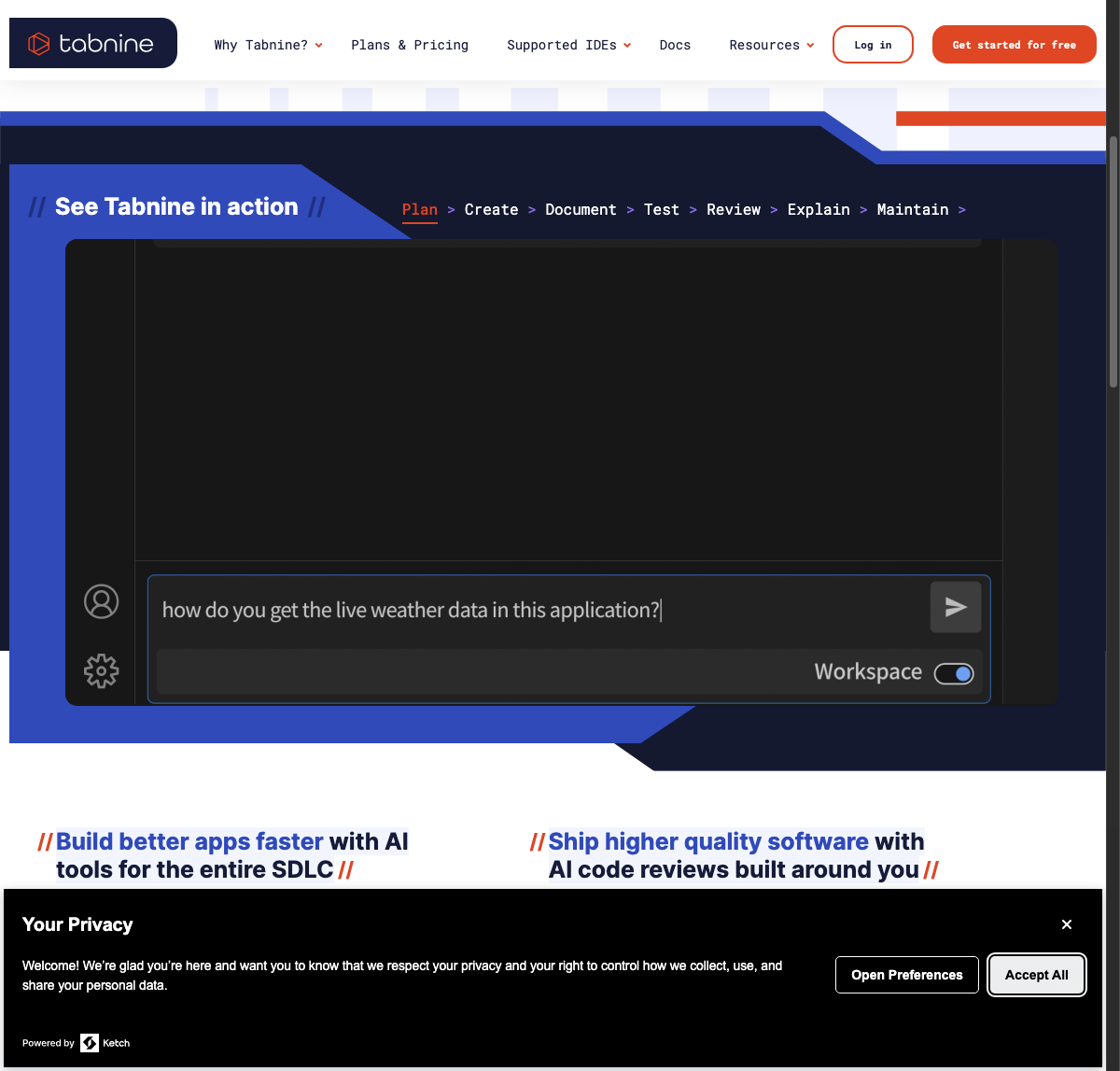
Tabnine solves two linked problems: repetitive coding work and the compliance risk of sending internal code to external AI services. It answers coding questions through AI chat, generates inline completions grounded in codebase context, and supports agentic workflows for multi-step tasks. Deployment runs through SaaS, VPC, on-premises, or fully air-gapped environments, so the same assistant that writes code can also stay inside a bank’s or hospital’s network boundary.
Main Features
AI Code Completions
Tabnine generates inline code suggestions as developers type, predicting the next line or block based on syntax and surrounding code. Suggestions appear directly in the editor without switching tools, and the same engine powers AI chat for explaining or modifying code. This reduces manual typing of repetitive boilerplate during normal coding sessions.
Codebase Context
Tabnine grounds its completions and chat answers in the repository and workspace files rather than generic training data, reading related modules before suggesting code. This context step means a suggestion for one file can reference a function defined elsewhere in the project. Independent reviews note contextual depth drops in large, complex multi-file refactoring tasks compared with GitHub Copilot or Cursor.
Flexible Deployment
Tabnine runs as SaaS, inside a VPC, on-premises, or in a fully air-gapped network with no outbound connection at all. The deployment model is chosen at setup rather than fixed by the vendor, so the engine itself does not change based on where it runs. This lets regulated teams run the same coding assistant without sending source code to a public cloud.
Enterprise Security & Compliance
Tabnine states its platform meets GDPR, SOC 2, and ISO 27001 requirements, and publishes a zero code-retention policy that excludes customer code from model training. Enterprise controls add SSO and administration settings for managing access across a team. For a 50-developer team this means the assistant can sit inside existing compliance workflows rather than requiring a separate security review for each integration.
Use Cases
-
Enterprise application-development teams
A team of 50 developers can use Tabnine’s repository-aware completions, chat, and refactoring assistance to reduce repetitive coding while keeping proprietary code inside a controlled deployment. This fits large codebases where sending code externally is not an option.
-
Regulated financial-services or healthcare engineering teams
A team of 20 developers can deploy Tabnine in a VPC, on-premises environment, or air-gapped network to get AI coding assistance without sending source code to a public cloud. This suits audits requiring strict data boundaries.
-
Large legacy-code maintenance teams
A team maintaining a codebase with hundreds of thousands of lines can use Tabnine’s code explanations, contextual chat, and refactoring support to understand unfamiliar modules and plan modernization work across old files.
Best For / Not For
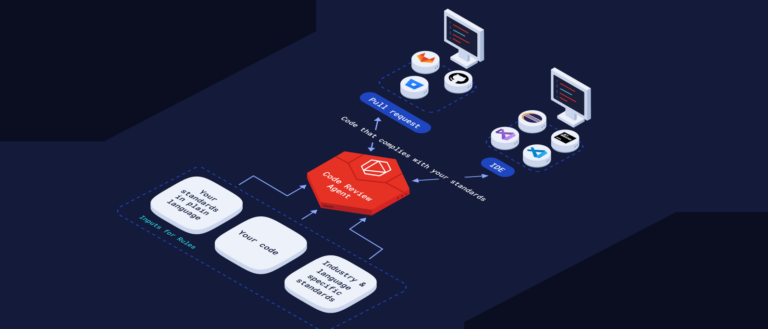
Tabnine is built for engineering organizations that need AI coding help without losing control over where source code travels. Enterprise application-development teams, Regulated financial-services or healthcare engineering teams, and Large legacy-code maintenance teams are the primary fits, each needing either private deployment or deep contextual explanation of existing code. Independent reviews report weaker suggestion quality than GitHub Copilot or Cursor on complex multi-file refactoring, and at $39-$59 per user per month with no free tier, Tabnine is a poor fit for solo developers or small teams without compliance requirements.
Pricing
Tabnine prices its Code Assistant Platform at $39 per user per month and its Agentic Platform at $59 per user per month, both billed annually, with no public free tier.
| Plan | Price | Included |
|---|---|---|
| Code Assistant Platform | $39 / user/month, billed annually | |
| Agentic Platform | $59 / user/month, billed annually |
The table does not show enterprise custom pricing, which depends on deployment model, seat count, and specific compliance requirements negotiated separately.
Pricing checked 2026-10-23.
Quick Comparison
Cursor is Tabnine’s main alternative for developers who want AI-assisted coding inside a dedicated editor environment. Cursor builds AI assistance into its own editor with multi-file agent edits across an open project. Tabnine offers VPC, on-premises, and fully air-gapped deployment options plus a zero code-retention policy for regulated teams. Choose Cursor if your team works in its editor and wants built-in multi-file agent edits. Choose Tabnine if compliance rules require code to stay inside a private or air-gapped network.
Verdict
Tabnine prices its Agentic Platform at $59 per user per month and runs on SaaS, VPC, on-premises, or air-gapped networks for regulated engineering teams. Smaller teams without compliance needs may find the $39 entry tier unnecessary for everyday coding work.


